The governor cited an additional spread of 0.3-0.5%. It concerns a specific transaction mechanism, not the total return on reserves.
Why lend securities
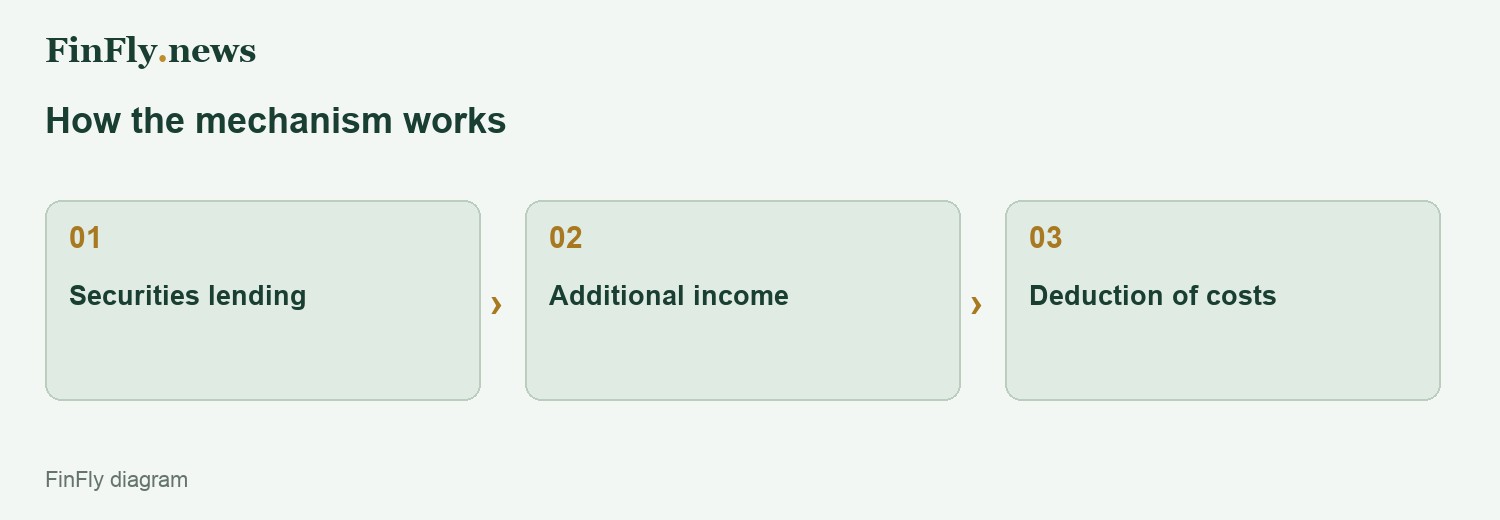
The Central Bank of Azerbaijan uses securities lending as one of its asset-management tools. At his 29 October press conference, Taleh Kazimov said the mechanism helps cover custody expenses and generate additional income.
The governor cited a spread of 0.3-0.5%, noting that results depend on the characteristics of the securities and transaction volumes. He stressed that the purpose was not to generate large profits from this individual activity.
The figure should be distinguished from coupon income and the portfolio’s overall return. It describes an additional transaction component. The remarks do not disclose all calculation parameters, so applying the percentage to total reserves would not provide a valid profit estimate.
| Component | Economic meaning |
|---|---|
| Additional spread | Income from a specific transaction mechanism |
| Custody expenses | Cost of safekeeping and servicing |
| Net result | Income after relevant expenses |
Returns must be assessed alongside costs and risk
In general, securities lending involves temporarily transferring securities to another party on agreed terms in exchange for a fee. Collateral, counterparty reliability, timely return and operating expenses all matter in evaluating the outcome.
Even a modest additional return can be meaningful for a large portfolio. Gross receipts and the net result nevertheless differ: part of the income offsets custody, servicing and other expenses. Assessment must cover the full transaction cycle.
For a central bank, return is one asset-management criterion alongside safety and liquidity. The statement provides insight into another instrument in use; it does not promise a fixed return or announce a change in reserve-management principles.