

A credit-rating upgrade is good news about a borrower. For a bond buyer, however, the outcome also depends on the purchase price. If the market anticipated the improvement, much of the benefit may already have gone to earlier investors.
In its 17 November Caucasus and Central Asia report, ING argues that market valuations have moved ahead of official ratings. That is an analytical assessment, not a new rating-agency decision.
One payment, three purchase prices
Imagine a bond paying an annual coupon of 6 currency units. Bought at 100, it has a current yield of 6%. At 105, the same coupon produces approximately 5.71%. At 95, it produces approximately 6.32%.
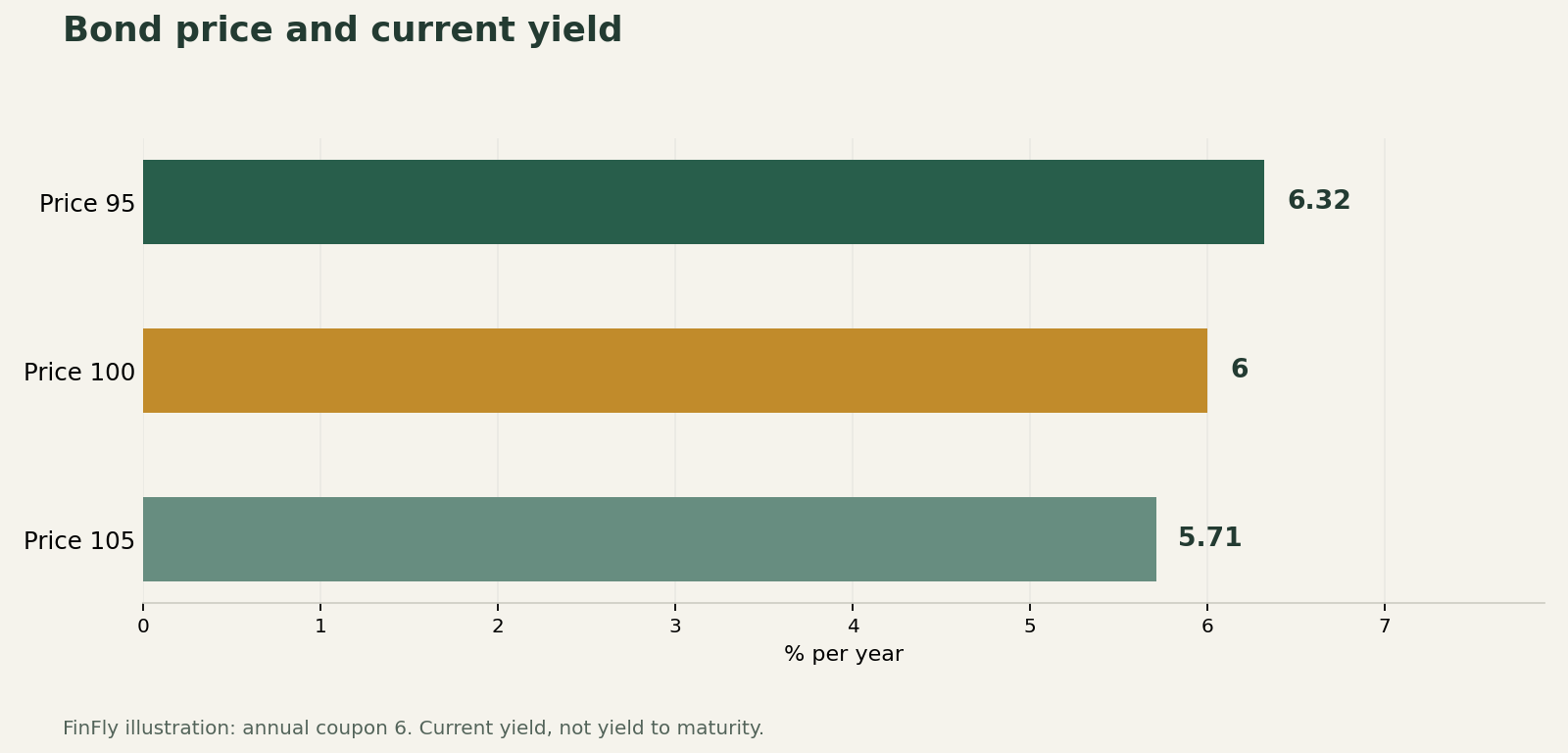
Current yield is the coupon divided by the purchase price. It excludes the redemption outcome, reinvestment, taxes and fees. A fuller assessment requires yield to maturity and the terms of the individual security.
| Factor | What it affects |
|---|---|
| Credit risk | The probability of obligations being met |
| Market interest rates | The price of existing bonds |
| Time to maturity | Sensitivity to interest-rate changes |
| The investor’s spending currency | The result after currency conversion |
Why reliability and profit are different
Even a more reliable borrower's bond can fall in price. New bonds might offer higher coupons, making an existing security less attractive at its previous price. The issuer's ability to pay has not necessarily deteriorated.
Liquidity matters too. A quoted value in an app may differ from the price available for a quick sale of a large holding. Comparing rating letters alone is therefore insufficient.
What an upgrade announcement leaves unanswered
Separate three developments: the agency's decision, the bond's price movement and the change in its yield. Then examine how much of the expected improvement the price already reflects. A rating describes creditworthiness; an investor's return comes from specific cash flows and the price paid for them.