Instant-payment integration and recognition of QR standards are intended to expand cross-border payment options.
Cooperation moves towards payment infrastructure
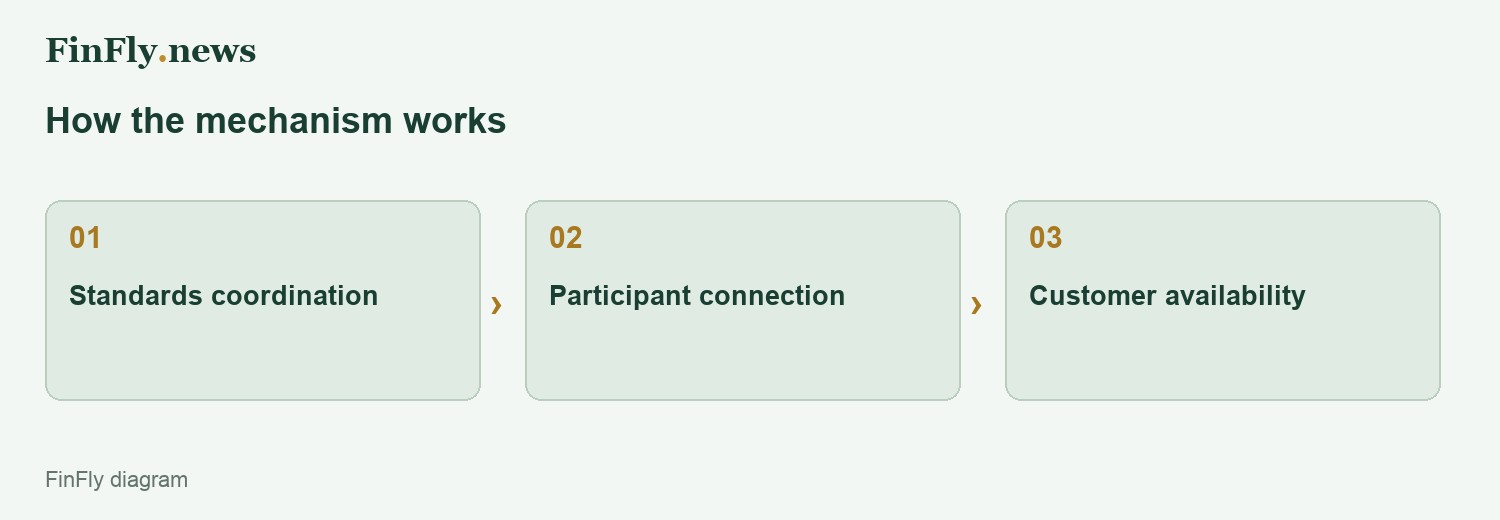
Payment-system integration is a priority in the CBA’s cooperation with foreign central banks, Taleh Kazimov said at his 29 October press conference. He identified direct settlements, links between instant-payment systems and mutual recognition of QR standards as key areas.
The governor said the aim was to make cross-border payments more accessible. Cooperation involves both leadership and specialist teams. In a separate comment, he referred to more detailed discussions with one or two countries without identifying them.
Kazimov did not announce an operational common international platform. The current agenda concerns infrastructure coordination and bilateral work. The statement does not establish launch dates for specific markets or end-user tariffs.
| Element | Intended function |
|---|---|
| Direct settlements | Links between payment infrastructures |
| Instant payments | Faster receipt of funds |
| QR standards | Compatible payment acceptance |
Implications for businesses
For an exporter or small online retailer, transfer costs extend beyond the sending bank’s fee. Currency conversion, intermediary charges and the time taken to receive funds also matter. New routes will need to be compared on total transaction cost.
Compatible QR standards could make payments easier for travellers and customers using familiar banking applications. Technical compatibility still requires arrangements for currency settlement, customer checks and refunds.
Measurable benefits will emerge when banks and merchants are connected. Final fees, settlement times and the range of available destinations will determine how much integration improves conditions for companies and individuals.