The regulator links its measures to household indebtedness and total borrowing costs. It does not plan to remove the product from the market.
Small principal, short maturity
The Central Bank of Azerbaijan will continue tightening requirements for short-term small loans, Governor Taleh Kazimov said at his 29 October press conference. He described a product involving modest amounts, maturities of around 45 days and applications based on an identity document.
Kazimov said requirements had been tightened progressively over three years. The regulator had restricted lenders’ total income, including interest, commissions and other charges. The aim is to prevent excessive indebtedness and support more balanced development of the segment.
The governor did not announce a ban. Further decisions will depend on household debt burdens, the resilience of market participants and the segment’s profitability. His remarks did not specify new numerical caps or implementation dates.
| Factor | Role in assessing a loan |
|---|---|
| Principal and maturity | Define repayment obligations |
| Interest and fees | Determine total expense |
| Repeated borrowing | Can increase debt dependence |
Total cost matters more than a single fee
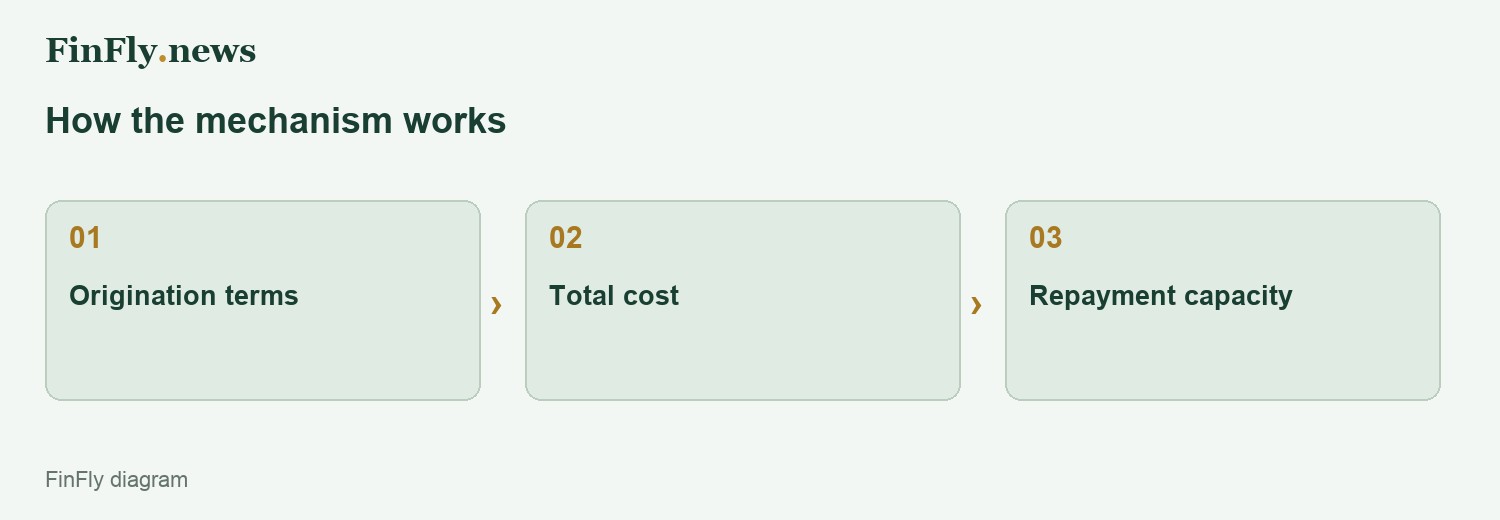
The economics of a small short-term loan depend on principal, maturity and all compulsory payments together. An identical manat fee represents different shares of a small and a large loan. Comparing nominal interest rates alone therefore gives an incomplete picture.
Lenders must cover origination, servicing and potential losses. For borrowers, the essential issue is whether repayment dates match expected receipts. Repeated reliance on short-term borrowing for everyday expenses increases a household budget’s dependence on fresh financing.
The policy puts greater emphasis on total cost and customer assessment. Its effects should be measured through actual contract terms and payment performance. A lower individual charge does not by itself establish a reduction in the borrower’s overall expense.